Can you paint over peeling paint? Yes, but not while the old coating is still loose or the reason for the failure is unresolved. New paint needs a sound, clean, dry surface that can hold the next coating system.
For Gig Harbor homes, that means looking closely at moisture, failed caulk, old coatings, exposed wood, and shaded areas before repainting. Covering peeling sections without that prep can leave the new finish attached to paint that is already letting go.
Why Exterior Paint Starts Peeling
Peeling means the coating has lost its bond with the surface below it. The reason can be different from one area of a home to another.
Common causes include water getting behind the coating, failed caulk or flashing, paint applied to a damp or dirty surface, old coatings that were not prepared correctly, or a new product that does not bond well to the existing finish.
Before repainting, the failing area should be inspected for the condition that caused the coating to release. A new finish cannot correct an active leak, damaged wood, or another unresolved substrate problem.
Can You Paint Over Peeling Paint?
You can repaint an area that has peeling paint, but the loose coating has to be removed first. Paint that is already lifting is not a stable base for another layer.
The goal is not always to strip every previous coating from the surface. Firmly bonded paint may remain when it is compatible with the new coating system and prepared according to the product requirements.
After the failing material is removed, the exposed edges are smoothed, the surface is cleaned and dried, repairs are completed, and primer is used where the selected system calls for it.
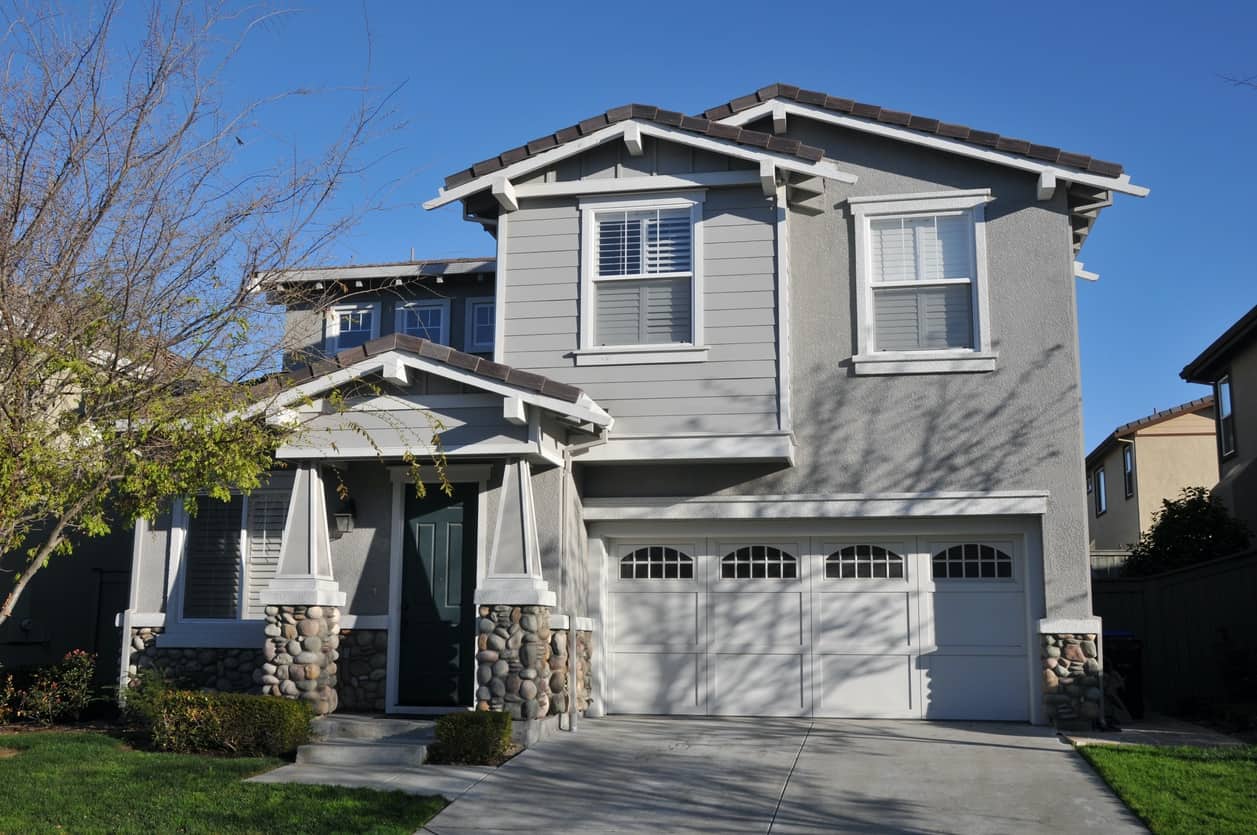
What Needs to Happen Before Repainting?
A lasting repair starts with the surface, not the topcoat.
If you are comparing contractors, our guide to questions to ask a painting contractor covers preparation, products, communication, and warranty details worth reviewing before work begins.
Why Gig Harbor Moisture Changes the Prep Work
Western Washington gives exterior surfaces long periods of rain, shade, and damp weather. In Gig Harbor, siding and trim near tree cover, rooflines, and north-facing elevations may stay wet longer than more exposed sections.
That does not mean every peeling area is caused by rain. It does mean surface moisture should be checked before primer or paint goes on, and drainage or caulk problems should be corrected before the coating is asked to protect the surface again.
Our article on how exterior paint dries and cures explains why the weather window matters after preparation is complete.
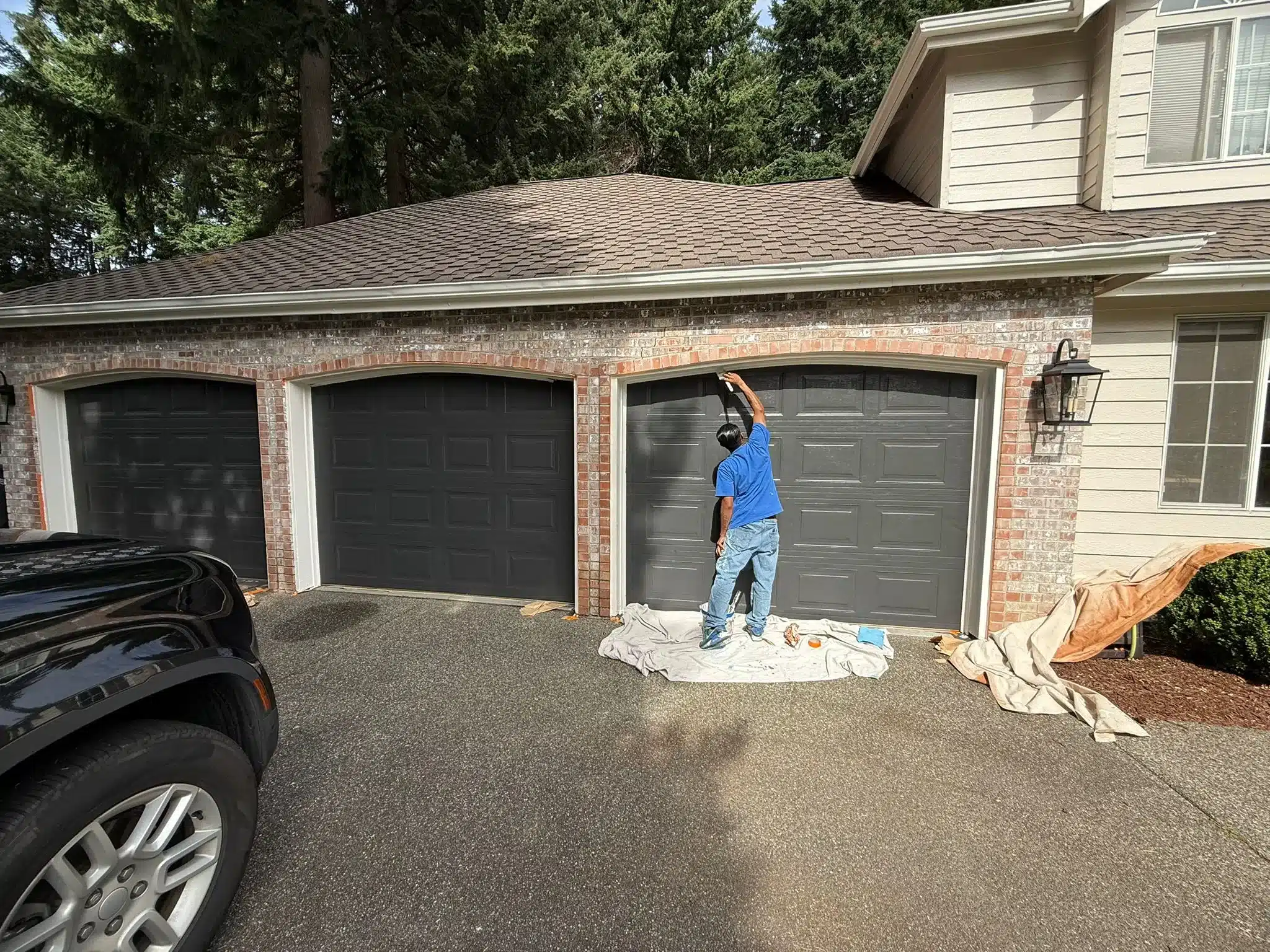
When Peeling Paint Points to a Larger Repair
Some peeling areas are coating problems. Others are signs that the material under the coating needs repair.
Soft wood, recurring failure around the same window or roofline, open joints, damaged siding, or staining from water should be reviewed before repainting. Covering those conditions can hide the symptom without fixing the source.
If the substrate is damaged, the repair should happen first. Paint protects a sound surface, but it is not a substitute for correcting rot, flashing, drainage, or building-envelope problems.
Older Homes Need Lead-Safe Preparation
Scraping and sanding old coatings can create paint dust. That matters on homes built before 1978 because older painted surfaces may contain lead.
The U.S. EPA Renovation, Repair and Painting guidance recommends using lead-safe practices and hiring a certified contractor when painted surfaces in pre-1978 homes will be disturbed.
Do not assume an old coating is lead-free based on appearance alone. The age of the property and the surfaces being disturbed should be reviewed before prep begins.
How We Handle Peeling Paint in Gig Harbor
At Paint Pro’s NW, we start by reviewing the condition of the existing coating and the surface below it. The scope depends on what is failing, where moisture may be entering, and what coating system is already on the property.
Our current site lists licensed and insured service, free estimates, daily communication, written project scopes, final walkthroughs, and a 5-year craftsmanship guarantee. Paint Pro’s NW also publishes Washington General Contractor License #PAINTPN773M6.
For full exterior repainting, see our exterior house painting services.
Frequently Asked Questions
Can you paint directly over peeling exterior paint?
No. Loose and poorly bonded paint should be removed before a new coating is applied.
Do you have to remove every layer of old paint?
Not always. Firmly bonded coatings may remain if they are compatible with the new system and prepared according to the product requirements.
Does peeling paint always mean there is a moisture problem?
No. Moisture is one possible cause, but poor preparation, contamination, incompatible coatings, damaged substrate, and application conditions can also contribute.
Should peeling paint on an older home be sanded?
Use caution on pre-1978 homes. Disturbing older coatings can create lead dust, so the surface should be evaluated and lead-safe practices used where required.