When homeowners weigh interior vs exterior painting, most start with the wrong question. They ask which job they would rather look at every day. The real question is which job the weather will let them finish. If you are planning interior and exterior painting across your whole property, the order you pick matters. It can protect months of work or quietly waste it. In Federal Way, WA where rain falls on roughly 158 days a year, that order is not a matter of taste. It is a matter of timing.
Key Takeaways
Why Weather Decides Your Interior and Exterior Painting Order
Paint needs the right conditions to cure. Sherwin-Williams notes that most exterior products can go on in temperatures as low as 35 degrees. But they still need at least four hours of dry time before moisture settles on the surface. Miss that window, and the finish can bubble, streak, or peel within a single season.
Federal Way makes this tricky. The city averages about 41 inches of rain a year, a bit above the national average. Some form of precipitation falls on roughly 158 days. The reliable dry stretch runs mainly through July and August. That short window is why exterior work tends to lead any interior and exterior painting plan here. You paint outside when the sky cooperates, then move indoors when it does not.
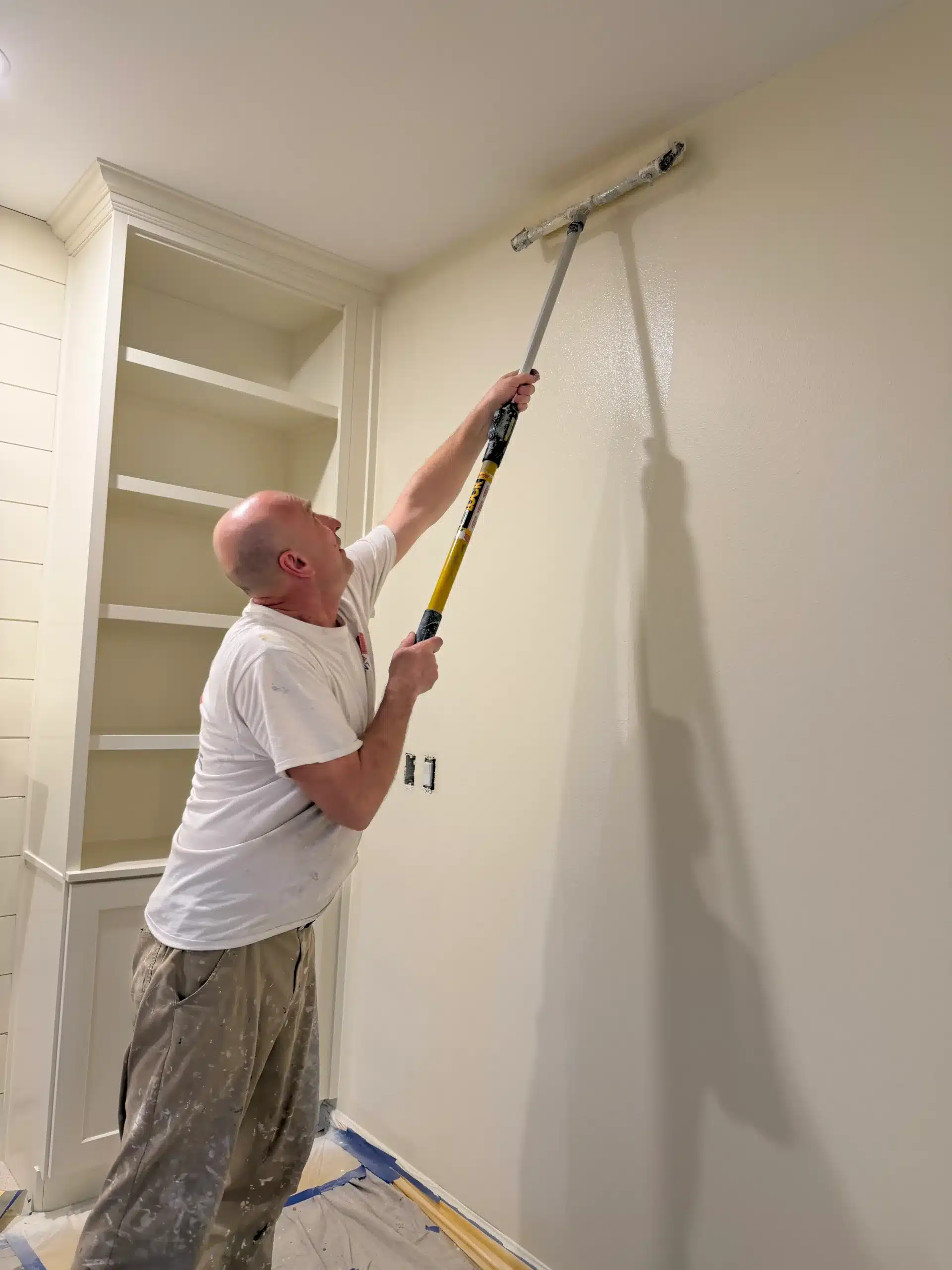
Interior painting carries none of that pressure. A heated, dry room holds steady conditions in January as easily as in July. So the inside of your home is the part you schedule around the weather. It is not the part the weather schedules for you. When people ask what to paint first, the honest answer usually starts with a look at the forecast.
Interior vs Exterior Painting: How the Two Jobs Differ
On the surface, both jobs use rollers, brushes, and paint. The real similarities mostly end there. Exterior coatings are built to fight sun, rain, and temperature swings. Interior coatings are tuned for scrubbing, fingerprints, and color. That is the heart of any interior vs exterior painting comparison: same tools, very different demands.
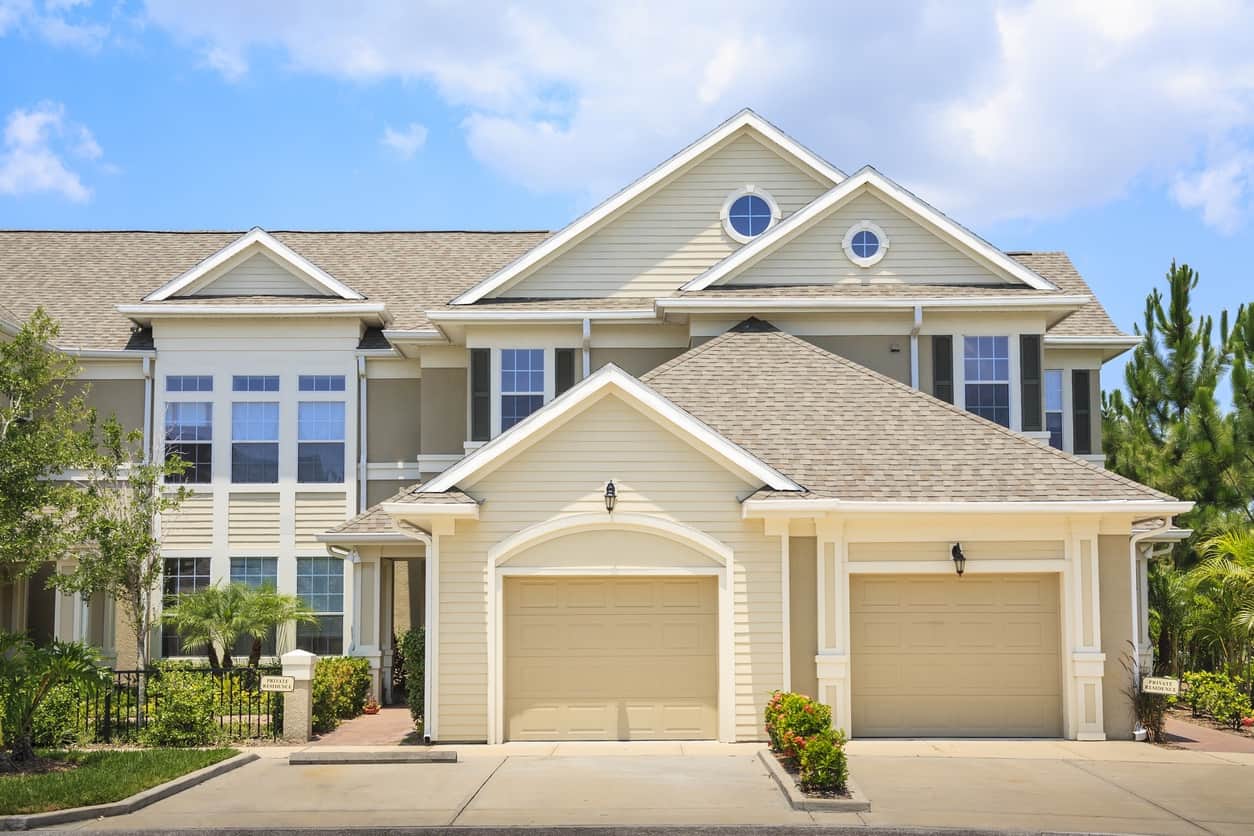
Cost and payback differ too. Interior painting tends to return more at resale. Angi reports that professional interior painting can return around 107 percent of its cost when a home sells. Whole-house projects often run between $2,000 and $15,000, depending on size. Exterior painting usually returns a smaller share, closer to half. Still, it shapes the first impression a buyer forms from the curb.
Prep work separates them as well. Exterior surfaces often need pressure washing, scraping, and dry time before a single coat goes on. Interior prep leans toward patching, sanding, and protecting floors. Knowing these differences early shapes a smarter painting project sequence. Each side asks for different days and different lead time. Any honest interior vs exterior painting plan starts by treating them as two distinct trades.
What to Paint First When You Are Tackling Both
Here is the rule that holds up most often: paint the outside first, then the inside. The logic is simple. Exterior work depends on a dry window you cannot control, so you claim those days while you have them. Interior work waits comfortably for the next rainy week. The interior vs exterior painting choice comes down to one thing you cannot negotiate with: the sky.
There are sensible exceptions. If you are moving in, clean rooms before the furniture arrives may matter more. Interior work can come first while you wait for summer. If a buyer walkthrough is weeks away and the siding looks worn, the exterior jumps the line. So the answer to what to paint first bends to your goal, not to habit.
For a whole-property plan in Federal Way, most homeowners land on the same painting project sequence. They book exterior work for the dry months and schedule interior work for the shoulder seasons or winter. That rhythm keeps paint curing in the right conditions, and it keeps you from paying for a redo. When you know what to paint first, you stop guessing and start planning.
Planning a Painting Project Sequence That Holds Up
A solid painting project sequence is less about speed and more about conditions. Think of it as three checkpoints. First, check the calendar against the climate. Second, match each surface to the days that suit it. Third, build in dry time between prep and paint so nothing gets rushed.
This is where interior and exterior painting stops being two separate projects. It becomes one plan. When both halves run as a single painting project sequence, color choices stay consistent. The crew carries knowledge from one phase to the next, and you avoid hiring two contractors who never speak. Treating interior vs exterior painting as one connected plan is what protects the budget.
It also protects your wallet in a plainer way. A rushed exterior coat applied right before rain can fail. A repaint then doubles the labor you already paid for. A planned sequence treats your money the way you would: spend it once, and spend it well. That is the quiet advantage of deciding what to paint first before the ladders ever come out.
How a Local Crew Plans Interior and Exterior Painting in Federal Way
Climate knowledge is the difference between a coat that lasts and one that fails early. A crew that paints in Federal Way every season already knows the dry window is short. They plan around it, reading the forecast closely and booking exterior work when the odds favor a clean cure.
A local team also brings clear criteria you can check. Ask how many dry days a coat needs. Ask which products hold up in damp marine air, and how they order interior and exterior painting across one property. Plain answers signal a crew that plans rather than guesses. A clear interior vs exterior painting plan is something you can hold a contractor to.
So the value of hiring painters who live in the same weather you do is simple. They are not selling you a season. They match your home to the days that protect it. They build a painting project sequence around the climate right outside your door.
Ready to Plan Your Project the Right Way?
Your home deserves a plan that respects the weather, your budget, and your time. Paint Pro's NW works across Federal Way and knows how short the dry season really is. So the schedule fits the climate instead of fighting it. The crew can walk your property and map the exterior and interior phases. They will show you exactly what to paint first and why.
Call Paint Pro's NW today at 425-671-9074 for a walkthrough and a written estimate. You will get clear timing for both phases. You also get products suited to damp marine air and a painting project sequence built around your goals. That is what a planned interior vs exterior painting project looks like. One call puts the order of your interior and exterior painting in steady hands, and keeps you from paying for the same wall twice.