
The best interior paint finish by room depends on how the space is used, how often the walls are cleaned, the amount of moisture present, and the condition of the surface. Sheen affects light reflection, washability, and how clearly wall texture or repairs can be seen.
Paint companies do not always use sheen names in the same way, so the label alone should not make the final decision. This guide explains the common choices for living rooms, bedrooms, kitchens, bathrooms, hallways, trim, doors, and ceilings.
Key Takeaways:
What Paint Sheen Changes
Paint sheen describes how much light the dried coating reflects. Flat and matte finishes reflect less light. Eggshell, satin, semi-gloss, and gloss finishes reflect progressively more light within most product lines.
More reflection can make a room feel brighter, but it can also make dents, drywall patches, roller texture, and uneven surfaces easier to see. Lower reflection can soften those flaws.
Sheen can also affect cleaning. Many satin and semi-gloss products tolerate more wiping than standard flat products, but newer washable matte coatings may perform differently.
Compare the technical information for the exact paint line instead of assuming every satin or matte product offers the same durability.
Living Rooms and Family Rooms
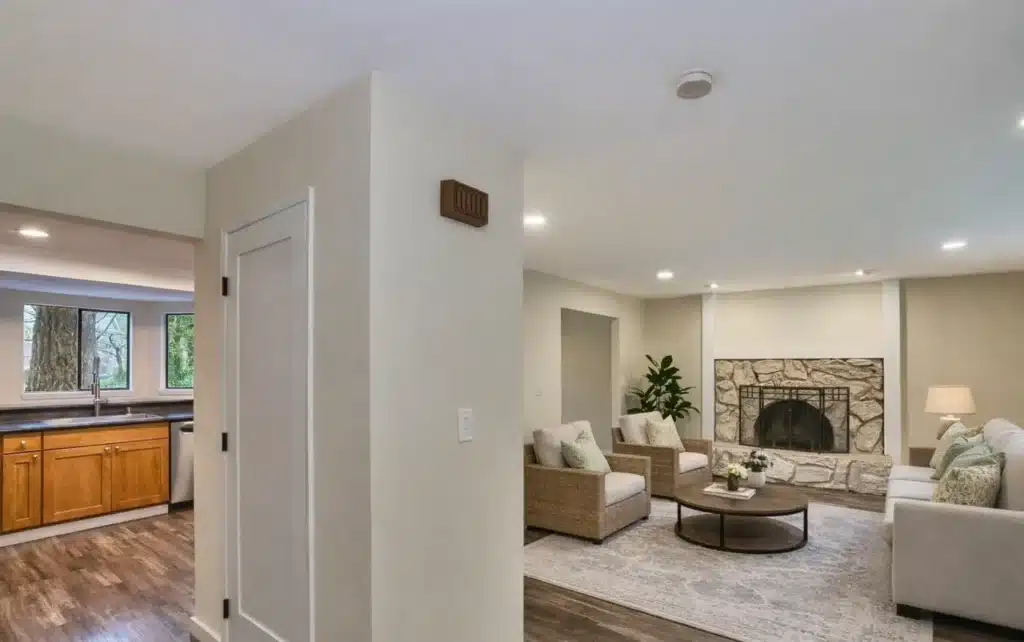
Eggshell is a common starting point for living room walls because it creates a soft appearance with more cleaning ability than many standard flat products. Satin may be useful in spaces with children, pets, frequent gatherings, or walls that are wiped often.
Matte can also work when the selected product is approved for the room and the homeowner prefers less reflection. This can be helpful on older walls with visible texture or repairs.
Consider the amount of daylight before selecting the finish. Large windows, lamps, and recessed lights can make a satin wall look more reflective than expected.
Common starting point: Eggshell for general living spaces, with washable matte or satin considered based on wall condition and cleaning needs.
Adult and Children’s Bedrooms
Adult bedrooms usually receive less wall contact and moisture than kitchens, hallways, or bathrooms. Flat, matte, or eggshell can all be reasonable choices.
Flat and matte finishes reduce glare and can soften minor wall flaws. Eggshell may be easier to maintain in bedrooms where walls are touched or cleaned more often.
Children’s bedrooms may benefit from eggshell, satin, or a washable matte product. The best choice depends on how the room is used and the cleaning directions for the paint.
Common starting point: Matte or eggshell in adult bedrooms, with eggshell, satin, or washable matte in children’s rooms.
Kitchens and Dining Areas
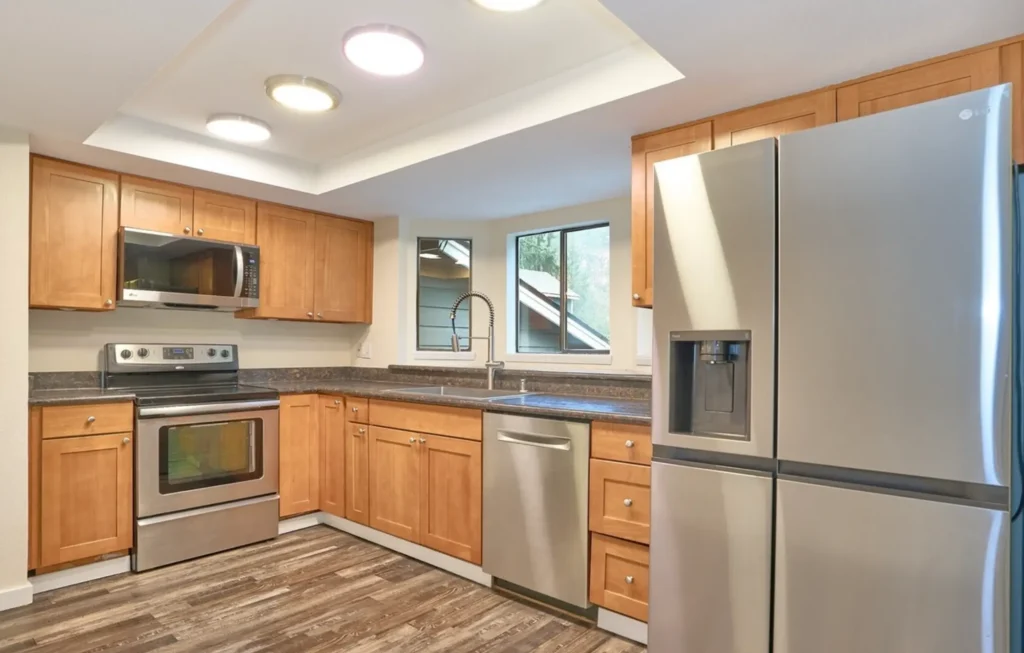
Kitchen walls may collect grease, food residue, fingerprints, and moisture. They often need a finish that can handle more cleaning than a low-use bedroom wall.
Satin is a common choice for general kitchen walls. Semi-gloss may be considered for trim, doors, or areas that need frequent wiping, but it can show surface defects clearly on broad walls.
The coating should not be treated as a substitute for a backsplash behind a sink or cooking area. Tile and other approved materials may provide better protection in areas exposed to repeated splashing or grease.
Ventilation and surface cleaning are also part of the coating plan. Paint may not bond well to walls with cooking residue or grease.
Common starting point: Satin on kitchen walls, with semi-gloss used selectively on trim, doors, and other approved surfaces.
Bathrooms and Powder Rooms
Bathrooms need a coating that fits the room’s moisture, ventilation, and cleaning needs. Satin and semi-gloss have long been common choices, but some paint companies now offer bathroom-approved matte or low-sheen products.
Do not assume that a standard matte paint is suitable for a full bathroom. Check the label and technical information for the exact product.
Ventilation matters more than sheen alone. The U.S. Environmental Protection Agency recommends using bathroom exhaust fans, correcting water problems, and drying wet materials. Its bathroom moisture and mold prevention guidance also warns against painting over wet or moldy walls.
Powder rooms without a shower or tub may allow more finish options because they receive less steam.
Common starting point: A bathroom-approved satin, semi-gloss, or specialty low-sheen product for full bathrooms, with eggshell or satin considered for powder rooms.
Hallways, Entryways, and Stairs
Hallways, entryways, and stairwells often collect handprints, scuffs, bags, shoes, and contact from furniture. Cleaning ability is usually more important here than it is in an adult bedroom.
Satin is a common choice because it provides some reflection and is often approved for regular wiping. Eggshell or washable matte can also work when the product is made for busy areas.
Higher sheen will make wall texture and repairs more visible under long hallway lighting. Surface preparation should be reviewed before selecting satin or semi-gloss.
Common starting point: Eggshell, satin, or washable matte based on traffic, wall condition, and lighting.
Laundry Rooms, Mudrooms, and Utility Areas
These rooms may combine moisture, dirt, storage, cleaning products, and frequent wall contact. The coating should support the way the space is used.
Satin is a useful starting point for many laundry and mudroom walls. Semi-gloss may fit doors, trim, shelving, or other surfaces that receive repeated cleaning.
Before painting, check for dryer vent problems, plumbing leaks, condensation, or damaged drywall. A higher-sheen coating cannot correct an active moisture source.
Common starting point: Satin on walls and semi-gloss on trim or frequently handled surfaces.
Trim, Doors, and Baseboards
Trim and doors receive more contact than most walls. They may be bumped, wiped, and handled throughout the day.
Semi-gloss is a common residential choice because it creates contrast and is often easy to clean. Satin can provide a softer look while still offering more durability than many wall finishes.
High-gloss products create stronger reflection and show every surface defect. They are usually best reserved for smooth, carefully prepared details or specialty design work.
Use a coating approved for woodwork, doors, or trim. Wall paint may not provide the hardness needed for frequently handled surfaces.
Common starting point: Satin or semi-gloss, selected according to the desired reflection and the condition of the surface.
Ceilings
Flat ceiling paint is common because it reduces reflection and can make drywall joints, patches, and texture less noticeable.
A kitchen or bathroom ceiling may need a product approved for moisture and cleaning. That product may be flat, matte, satin, or another finish depending on the manufacturer.
A reflective ceiling can make a room feel brighter, but it may also show repairs, roller texture, and uneven drywall more clearly.
Ceiling stains should be checked before painting. Active roof, plumbing, or ventilation problems need to be corrected first.
Common starting point: Flat ceiling paint in dry rooms, with a room-approved coating selected for kitchens and bathrooms.
Interior Paint Finish Reference
These are starting points rather than fixed rules. The product line, surface preparation, lighting, wall condition, and cleaning needs can change the recommendation.
Mistakes to Avoid When Choosing Sheen
Using one sheen everywhere: A low-use bedroom and a busy bathroom place different demands on a coating.
Choosing by sheen name alone: One company’s matte product may clean differently from another company’s matte product.
Ignoring wall condition: Satin and semi-gloss may make patches, texture, and roller marks more visible.
Painting over moisture: A bathroom-approved finish will not repair leaks, condensation, or mold.
Forgetting about touch-ups: Higher-sheen finishes can be harder to touch up without creating visible flashing. Keep the product name, color, sheen, and batch information after the project.
Comparing estimates without product details: The proposal should name the paint line, sheen, surfaces, primer, and planned coat count. Review these questions to ask a painting contractor before approving an interior project.
How Finish Choice Can Affect the Estimate
Sheen is only one pricing factor. Room size, wall repairs, ceilings, trim, doors, furniture, access, primer, color changes, and coat count also affect the project.
Higher-sheen products may require added preparation when walls have visible defects. Trim and doors also take more detailed work than broad wall areas.
The proposal should separate walls, ceilings, trim, doors, repairs, and special coatings. This guide to interior painting cost factors explains how preparation, materials, room size, and detail work shape the price.
Frequently Asked Questions
Is eggshell or satin better for interior walls?
Eggshell reflects less light and may show fewer wall flaws. Satin is often easier to clean but may reveal more texture. The room, wall condition, and exact paint product should guide the choice.
Can matte paint be used in a bathroom?
Some specialty matte coatings are approved for bathrooms. Standard matte wall paint may not be. Check the product label and technical information before using it in a humid room.
Which finish hides wall imperfections best?
Flat and matte finishes generally reflect less light, which can make some surface flaws less noticeable. They do not repair dents, raised patches, loose paint, or damaged drywall.
Should trim be shinier than the walls?
It often is, but it does not have to be. Satin or semi-gloss can create contrast and support cleaning, while a lower-sheen trim product can create a softer appearance.
Match the Finish to the Room and Product
The best interior paint finish by room is the one that fits the room’s traffic, moisture, lighting, wall condition, and cleaning needs. Sheen recommendations should be treated as starting points and checked against the exact coating being used.
Paint Pro’s NW provides interior house painting services across King and Pierce Counties. Its current residential page states that standard interior projects can include walls, ceilings, trim, drywall repair, wallpaper work, staining, and sanding preparation.
The company also lists free on-site estimates, free color consultations, daily project communication, final walkthroughs, and a 5-year craftsmanship guarantee for residential work.
Contact Paint Pro’s NW at 425-671-9074 to schedule an interior estimate and discuss the products and finishes recommended for each room.