If you’ve recently gotten a quote and felt shocked, you’re not alone. Many homeowners are surprised when they see the real numbers behind an interior painting cost breakdown. And if you’ve been searching for reliable interior house painting contractors, you’ve probably noticed prices vary more than expected.
So what’s really going on? Why does interior painting cost what it does—and is it actually worth it?
Let’s break it all down in simple terms so you know exactly where your money is going.
Key Takeaways:
What Goes Into an Interior Painting Cost Breakdown?
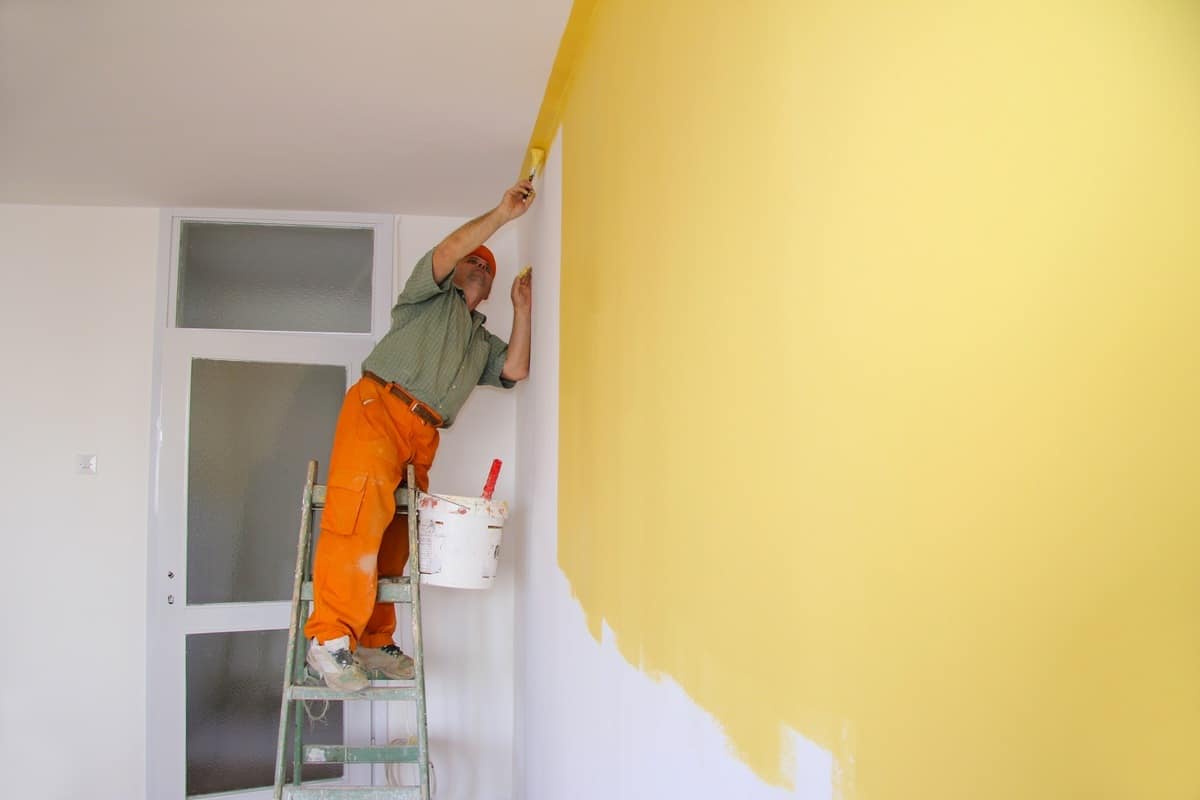
When you hire a professional painter, you’re not just paying for someone to roll paint on your walls.
You’re paying for a full process.
Here’s what typically makes up the total cost:
1. Labor (The Biggest Cost)
Labor is usually the largest portion of your quote.
Why? Because painting is time-intensive and requires skill.
Professional painters don’t just paint—they:
- Protect your floors and furniture
- Prep surfaces properly
- Apply multiple coats evenly
- Clean up afterward
A quality job can take days, depending on the size of your home. Skilled labor ensures smooth finishes, straight lines, and long-lasting results.
2. Prep Work (The Hidden Time Drain)
Prep work is one of the most overlooked parts of painting—and one of the most important.
Before any paint goes on the wall, contractors often need to:
- Fill holes and cracks
- Sand rough surfaces
- Remove old paint or wallpaper
- Caulk gaps
- Prime surfaces
This step can take just as long (or longer) than the painting itself.
Skipping prep leads to peeling, uneven finishes, and wasted money down the road.
3. Paint and Materials
Not all paint is created equal.
Higher-quality paints:
- Cover better (fewer coats needed)
- Last longer
- Resist stains and fading
Materials also include:
- Brushes and rollers
- Drop cloths and tape
- Primers and sealants
While materials aren’t the biggest cost, they still play a key role in the final price.
4. Size of the Space
This one’s straightforward—the bigger your home, the higher the cost.
Painters often calculate pricing based on:
- Square footage
- Number of rooms
- Ceiling height
High ceilings and open spaces require more time, equipment, and effort.
5. Condition of Your Walls
Walls in perfect condition? You’ll pay less.
Walls with damage? Expect higher costs.
Common issues that increase pricing:
- Cracks and dents
- Water damage
- Stains or smoke residue
- Peeling paint
The more repairs needed, the more time (and money) it takes.
6. Number of Coats and Color Changes
Changing from dark to light colors—or vice versa—usually requires more coats.
More coats = more labor + more materials.
For example:
- White over dark gray may need 2–3 coats
- Bold colors may require specialty primers
This directly impacts your final quote.
7. Trim, Doors, and Details
Painting isn’t just about walls.
Details like:
- Baseboards
- Crown molding
- Doors and frames
- Cabinets
…require precision and extra time.
These smaller elements often take longer per square foot than walls.
Why Hiring Interior House Painting Contractors Costs More (But Saves You Money)
At first glance, hiring professionals might seem expensive.
But here’s the reality: doing it yourself often costs more in the long run.
Professional interior house painting contractors bring:
DIY projects often lead to:
In short, professionals get it done right the first time.
Is Interior Painting Worth the Cost?
In most cases, yes.
Here’s why:
- 1It increases home value. Fresh paint makes your home look newer, cleaner, and more appealing—especially if you’re planning to sell.
- 2
It protects your walls. Paint acts as a barrier against moisture, dust, and wear.
- 3
It improves your living space. Color has a big impact on how your home feels. A fresh coat can completely transform a room.
How to Get the Best Value for Your Money
If you want to make the most of your investment, here are a few tips:
Remember: the lowest price isn’t always the best deal.
The Bottom Line on Interior Painting Costs
Interior painting is expensive because it’s more than just applying color to walls—it involves skilled labor, thorough preparation, high-quality materials, and a significant time investment. Professionals must carefully repair surfaces, protect surrounding areas, and apply paint evenly to achieve a durable, polished finish.
When you understand the full interior painting cost breakdown, the pricing starts to make a lot more sense, as each step contributes to the overall quality and longevity of the work.
And when done right, it’s an investment that pays off in both comfort and home value, enhancing the appearance of your space while also protecting your walls for years to come.
Ready to Get a Professional Interior Painting Quote?
If you’re thinking about updating your home, working with experienced professionals can make all the difference. A professional team doesn’t just bring tools—they bring expertise, efficiency, and a proven process that helps avoid costly mistakes and ensures a smooth, long-lasting finish. Instead of spending your weekends dealing with prep work, uneven coats, or cleanup, you can rely on skilled painters to handle every detail from start to finish.
At Paint Pro's NW, we help homeowners get high-quality results without the stress. From thorough surface preparation and careful protection of your space to precise application and clean, polished finishes, our team is committed to delivering results you’ll love. We take the time to understand your vision, recommend the right products, and execute every step with attention to detail—so your home not only looks refreshed but stays that way for years to come.
Call 425-671-9074 today to schedule your consultation and get a clear, honest estimate for your project.